
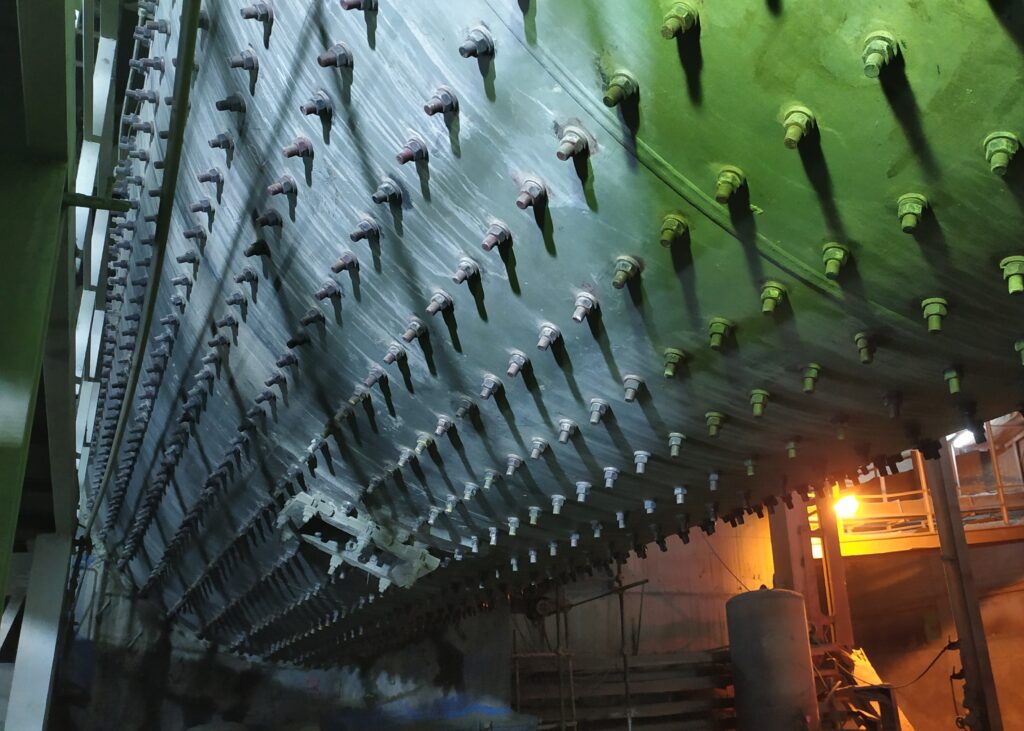
Our Ball Mill Alignment services ensure precise positioning, reducing wear, minimizing vibrations, and maximizing operational reliability.
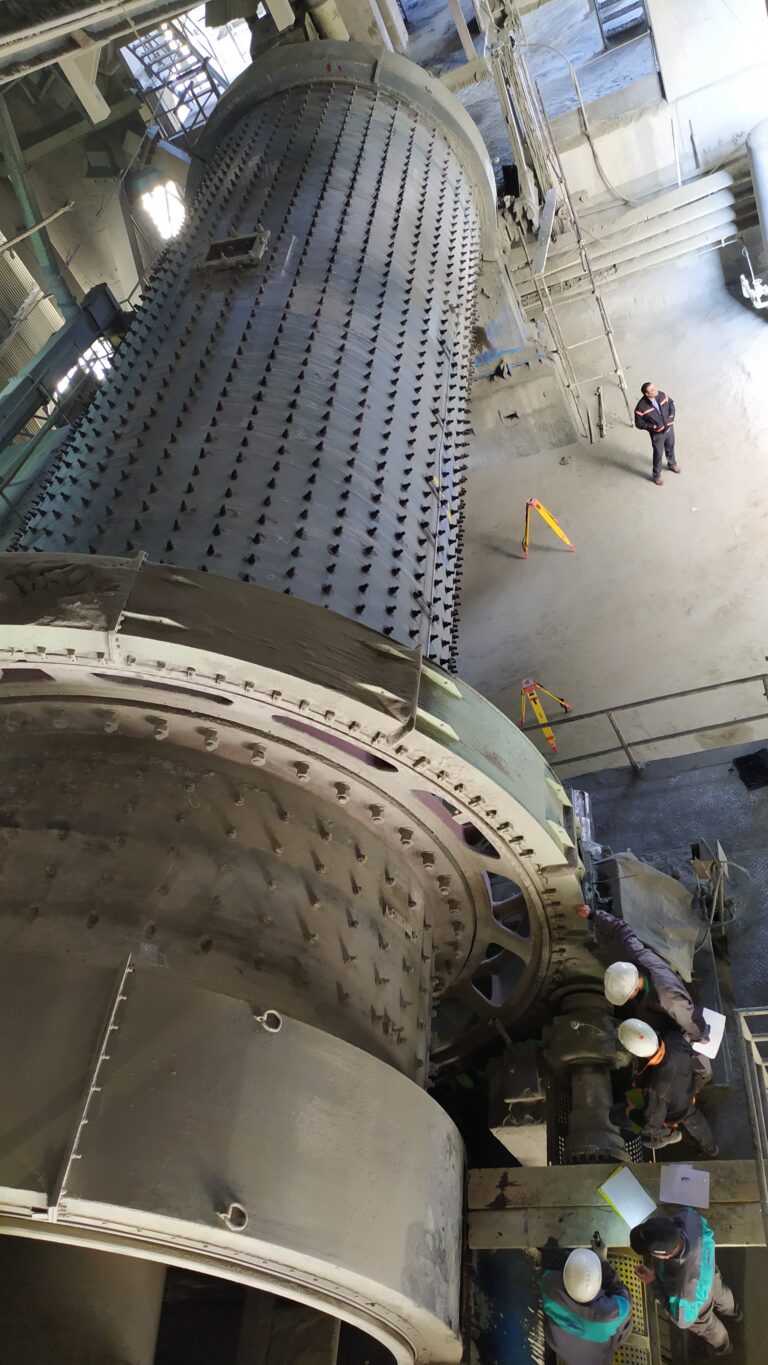
Ball Mill Alignment technical Services - Improve Operation
precision alignment
Prevent Downtime with Accurate Ball Mill Positioning
Ball mills are high-speed rotary equipment commonly used in various industries. Due to their rotational dynamics, all key components—pinions, gears, main and auxiliary drives—must be precisely aligned. Proper positioning ensures long-term durability and reliable operation.
Even well-functioning equipment can develop misalignments over time due to factors such as wear, vibrations, or structural shifts. Regular monitoring helps detect even the slightest deviations at an early stage, enabling preventive actions that minimize damage and extend equipment lifespan
Improve performance
Essential Alignment Tasks
Proper alignment is critical to maintaining the efficiency and longevity of ball mills.
Our alignment services focus on key aspects to ensure smooth operation and minimize wear.
- Pinion-to-Girth Gear Positioning – Accurate setting of pinion axis relative to the girth gear, ensuring optimal tooth clearance.
- Dynamic Run-Out Measurement – Assessment of axial and radial deviations at the gear station.
- Wear Level Evaluation – Determining the degree of component wear on key overlapping elements.
- Misalignment Detection – Identifying vertical and horizontal deviations relative to a reference line.
- Drive System Alignment – Precision alignment of the clutch system, gears, gearboxes, and drive motors with the pinion and mill axes.
- Support Displacement Analysis – Monitoring support movement over time to prevent structural issues.
Maximize Efficiency and Minimize Costs
Benefits of Precise Alignment
Increased Machinery Durability
Precise alignment reduces stress on components, ensuring extended service life and reliable performance over time.
Prevention of Damage Progression
Misalignment leads to wear that negatively affects surrounding components. Precise alignment stops damage from spreading to other parts of the system.
Cost Efficiency
Proper alignment minimizes wear on critical parts, reducing the frequency of component replacements and lowering overall maintenance costs.
Decreased Vibrations
Correct positioning reduces vibrations, which not only improves operational efficiency but also extends the life of individual components.
Reduced Unplanned Downtime
Aligned machinery operates more smoothly, decreasing the risk of unexpected breakdowns and improving productivity.
Enhanced Operational Safety
Proper alignment helps maintain system stability, reducing the risk of mechanical failures and enhancing safety for operators and equipment.